

When you walk into a restaurant, you might notice the décor, the music, or how quickly you’re seated. But chefs and industry pros often spot deeper warning signs that tell them a place isn’t up to par. From subtle cleanliness issues to menu choices that don’t make sense, these red flags can reveal a lot about the food and the kitchen behind it.
Here are 10 things chefs notice right away that should make you think twice before ordering.
Dirty Menus
Want to Save This Recipe?
Enter your email & I'll send it to your inbox. Plus, get great new recipes from me every week!
By submitting this form, you consent to receive emails from Walking on Sunshine Recipes.
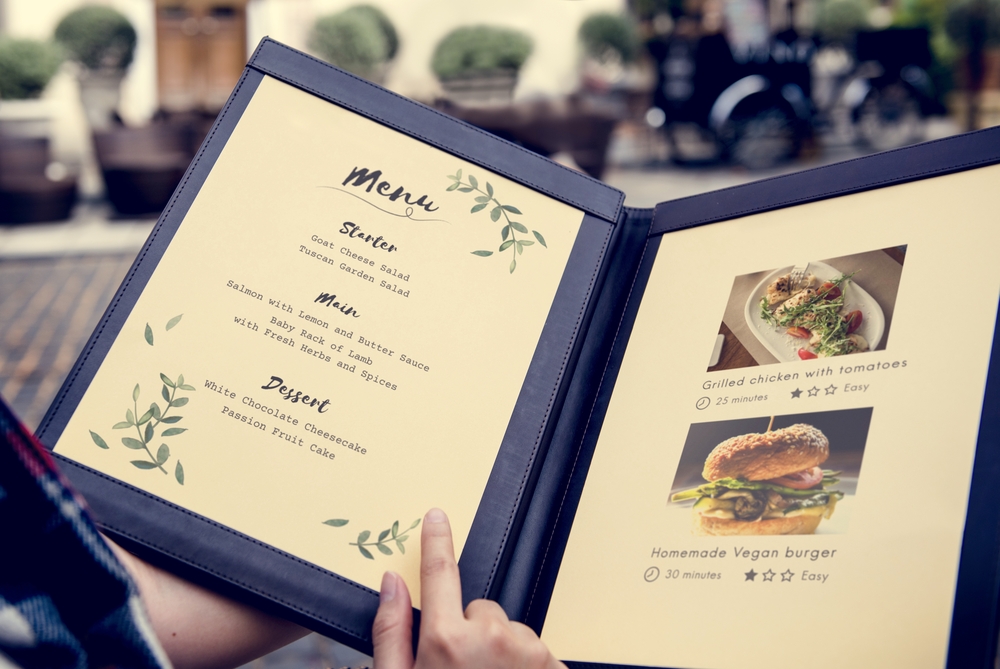
A dirty menu is more than just an eyesore; it's a sign of a restaurant's attitude towards hygiene. Chefs know that cleanliness should extend beyond the kitchen, and a dirty menu is a clear indication that the restaurant may not be taking sanitation seriously. Customers often overlook this as they are more focused on the food and ambiance, but it's a major red flag for anyone with a trained eye for detail.Clean menus matter because they’re one of the first things a customer touches. They can easily become a breeding ground for germs if neglected. In an age where health and safety standards are front and center, a restaurant that fails to keep menus clean may be cutting corners in other areas as well.
Stale Bread
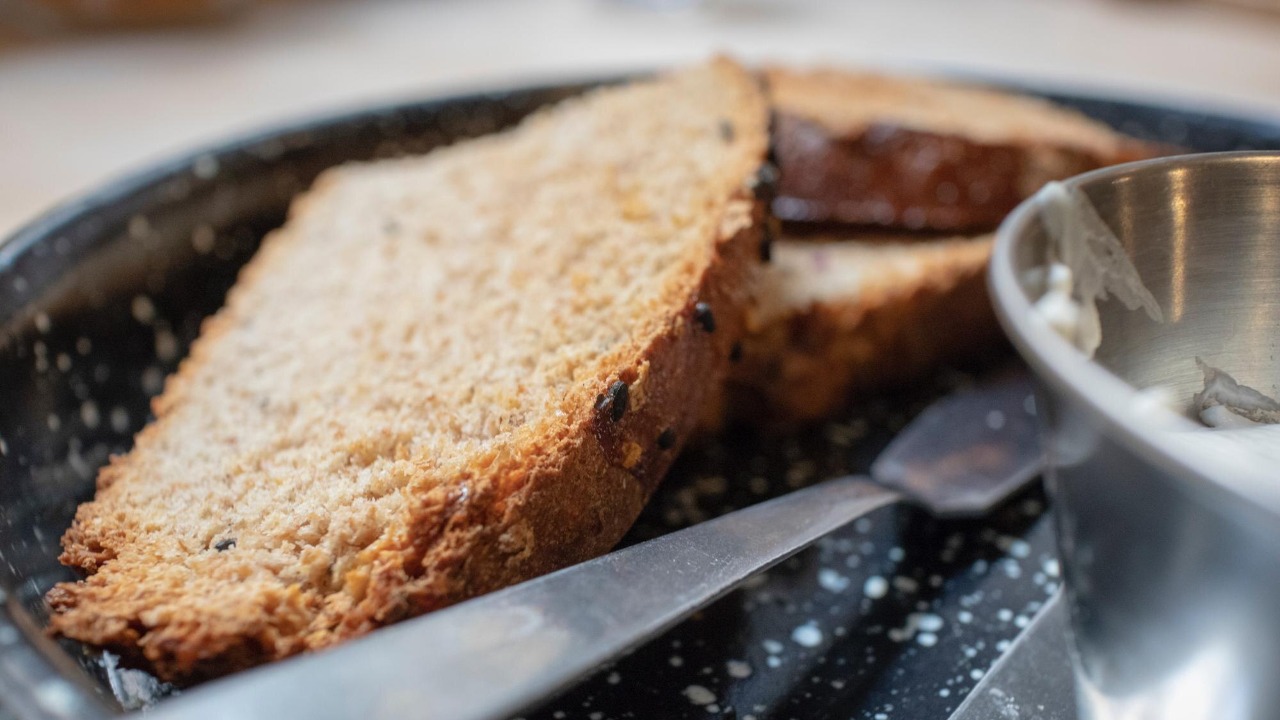
Stale bread served at the beginning of a meal is a clear indicator of a restaurant’s overall standards. Chefs recognize that bread sets the tone for the entire dining experience, and when it’s not fresh, it suggests a lack of care in the kitchen. Diners may overlook it, but professionals know it signals bigger issues with food quality and attention to detail.Fresh, warm bread sends a message that the restaurant values its guests and takes pride in its food. Stale bread, on the other hand, feels like an afterthought and can leave a poor first impression before the main dishes even arrive.
Overly Extensive Menus
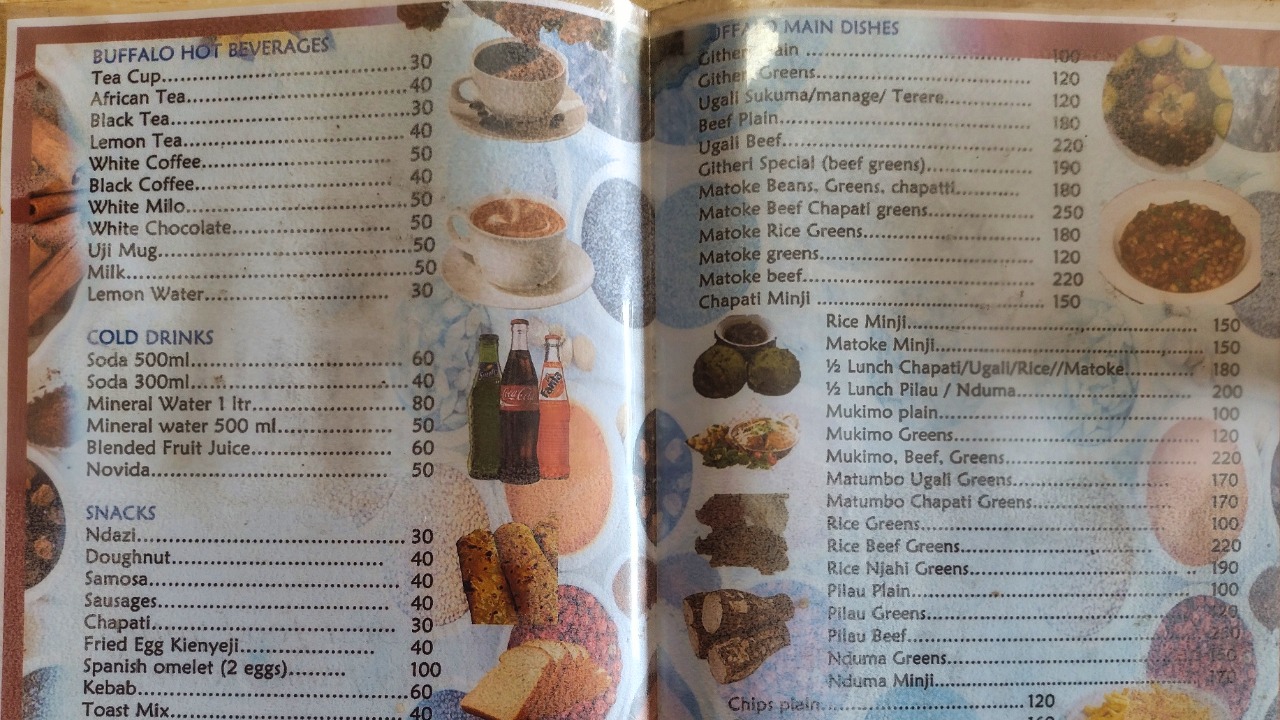
A menu packed with too many choices might look appealing to diners, but chefs see it as a warning sign. A long list of dishes usually means the kitchen is trying to do too much, which can compromise freshness and quality. It’s nearly impossible to execute dozens of dishes at a consistently high level.Chefs know that smaller, focused menus usually mean fresher ingredients and more carefully crafted dishes. When a restaurant narrows its offerings, it can concentrate on perfecting flavors and ensuring every plate meets a higher standard.
Unfriendly Staff
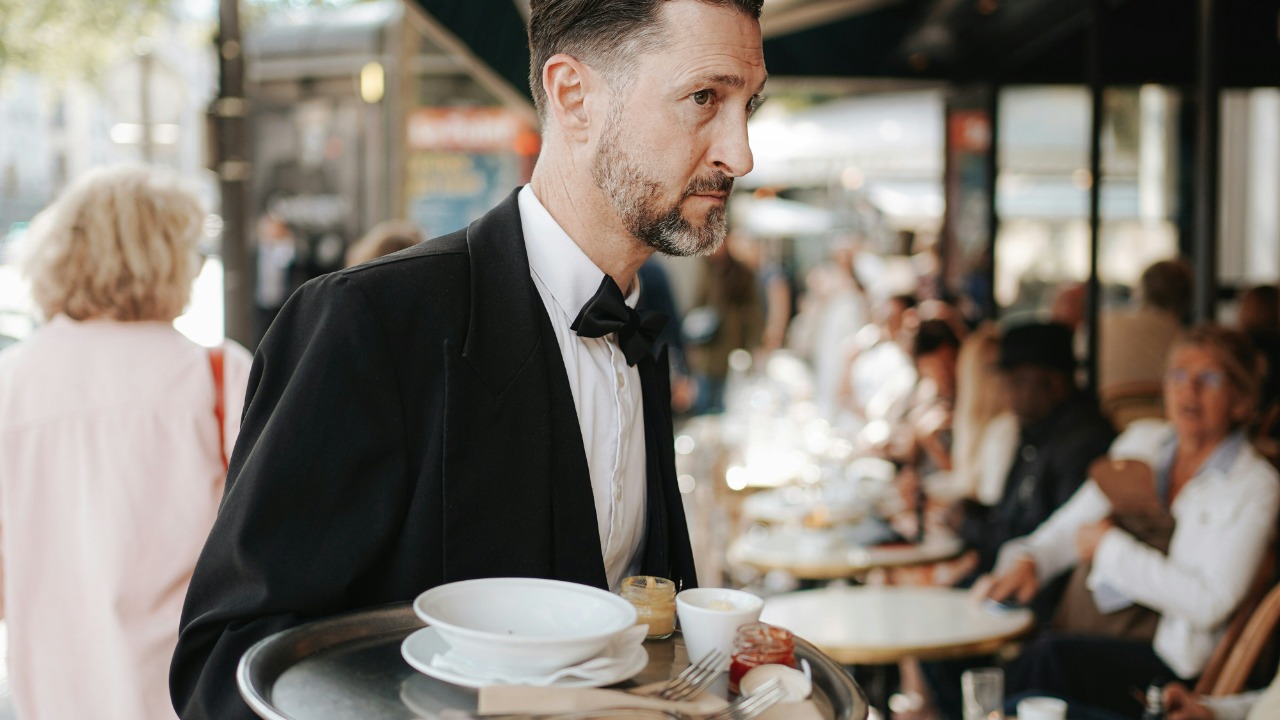
Staff attitude can make or break a dining experience. While good food might keep some customers coming back, unfriendly or dismissive service is a clear red flag for chefs. It often signals poor management, lack of training, or a general disregard for hospitality.Restaurants thrive not just on great meals but on creating an enjoyable atmosphere. Friendly, attentive service builds loyalty, while rudeness leaves a lasting negative impression. For chefs, staff behavior is a reflection of the restaurant’s overall values.
Dirty Restrooms
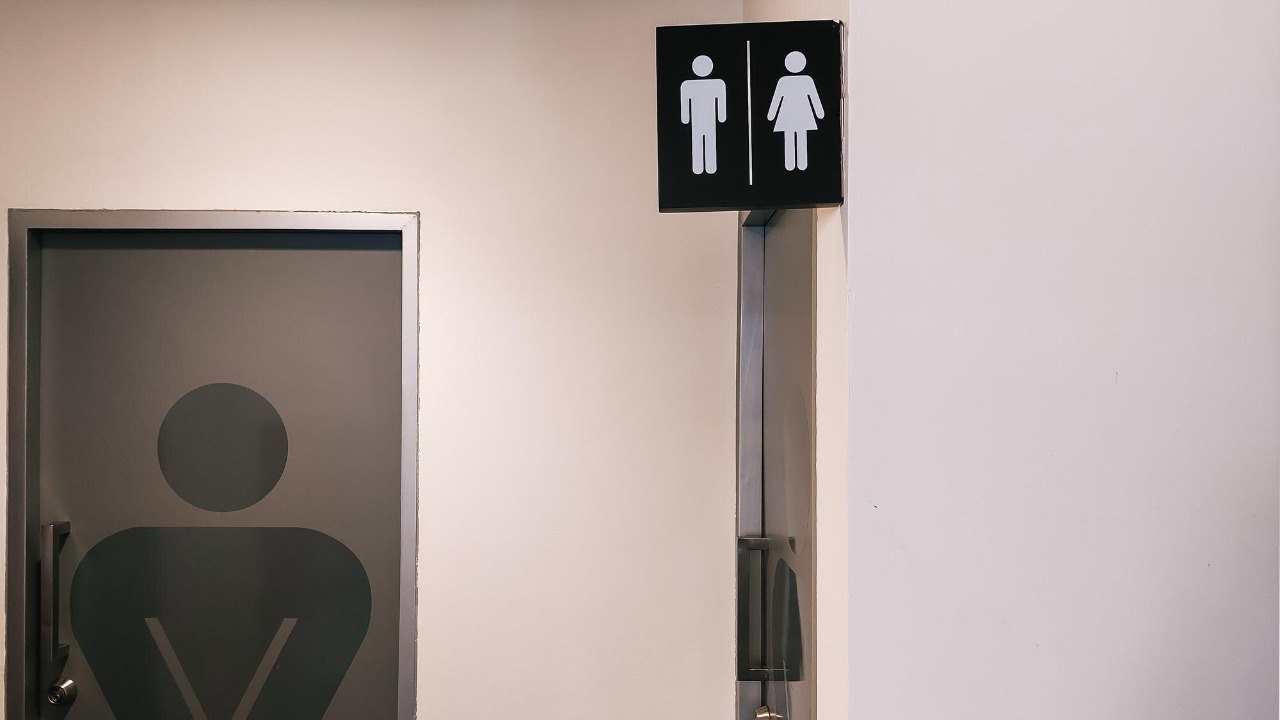
A dirty restroom is one of the strongest indicators of a restaurant’s overall hygiene. While it doesn’t directly affect the food, it reflects how seriously the establishment takes cleanliness. If the restrooms are neglected, it’s fair to wonder what might be happening behind kitchen doors.Maintaining spotless restrooms shows respect for customers and attention to detail. On the other hand, unkempt facilities are a warning sign that the restaurant may not prioritize sanitation, which can be a serious concern for diners and chefs alike.
Bad Food Presentation
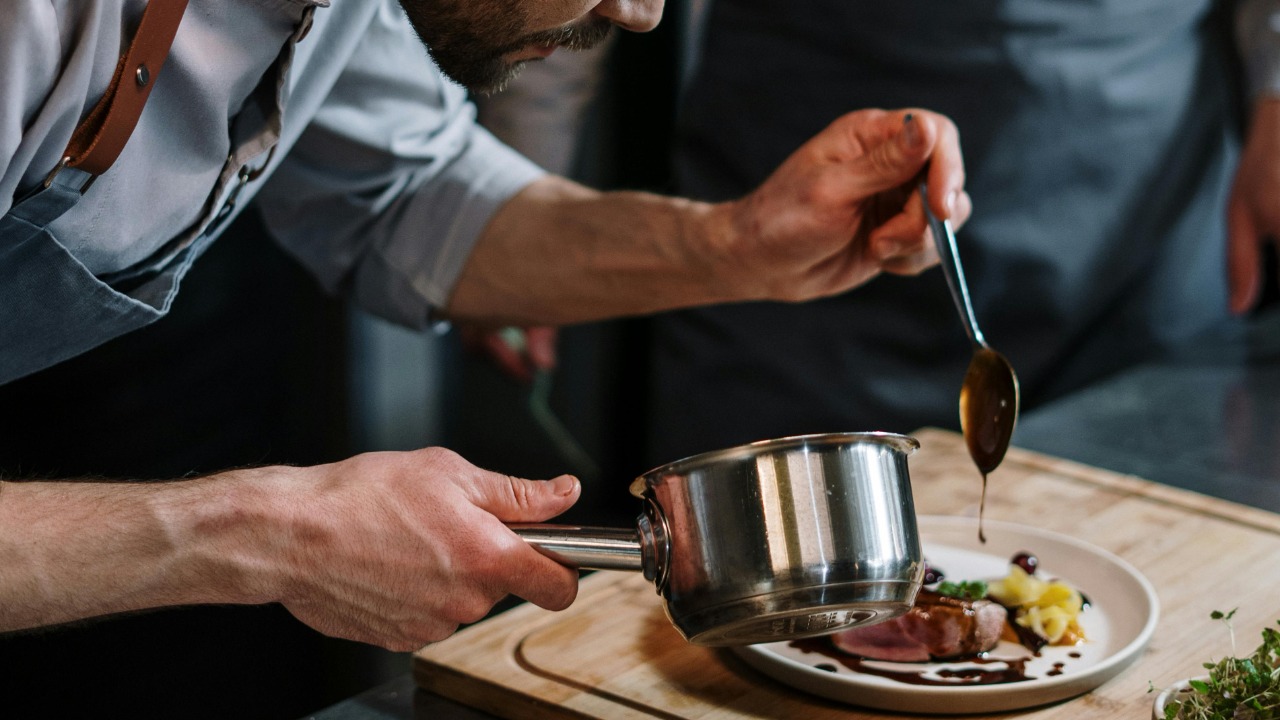
Presentation is an important part of dining, and chefs notice immediately when it’s lacking. A poorly plated dish can signal a lack of care, rushed preparation, or an inexperienced kitchen. While taste is key, appearance sets expectations before the first bite.In today’s dining culture, where meals are often photographed and shared, presentation matters more than ever. A dish that looks sloppy can make diners question the standards of the entire restaurant.
Frozen Ingredients
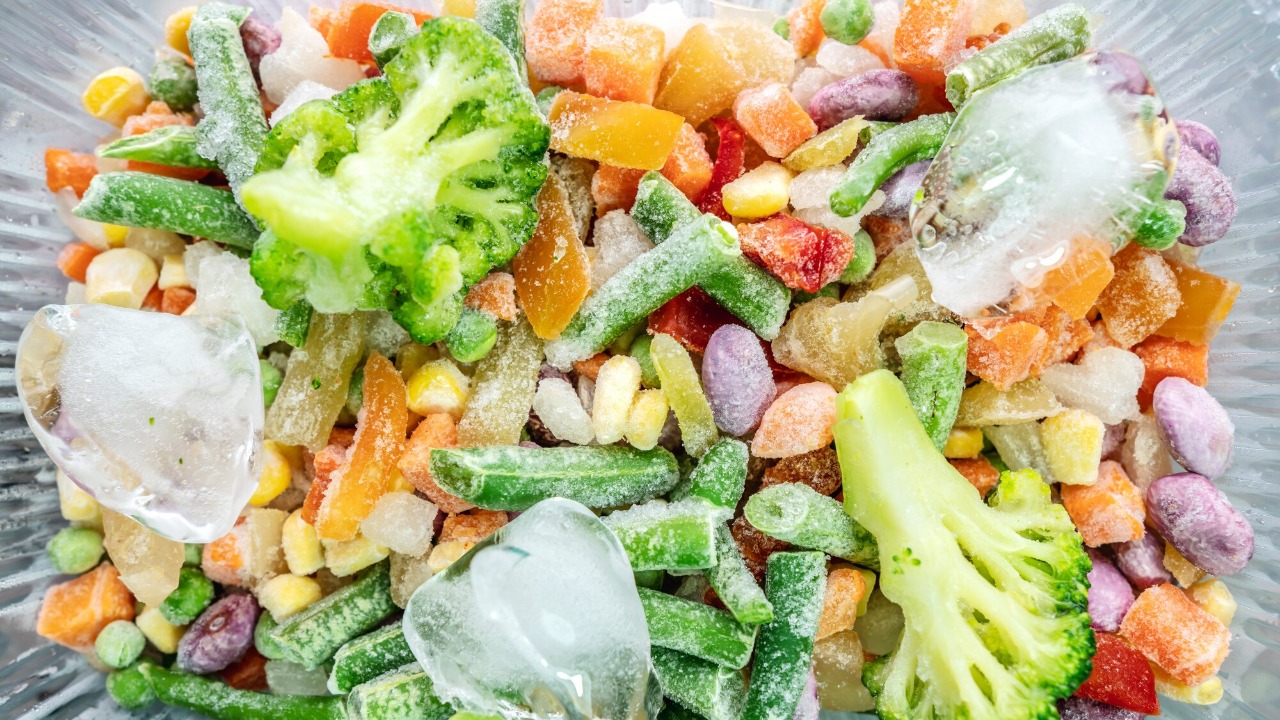
Frozen ingredients aren’t always bad, but chefs can usually tell when a restaurant relies on them too heavily. Fresh ingredients generally deliver better flavor, texture, and nutrition. A menu built around frozen foods often means the restaurant is prioritizing cost savings over quality.While frozen items can be useful for certain dishes, chefs see heavy reliance on them as a shortcut. It suggests a lack of commitment to freshness, which can undermine the dining experience.
Poorly Stored Ingredients
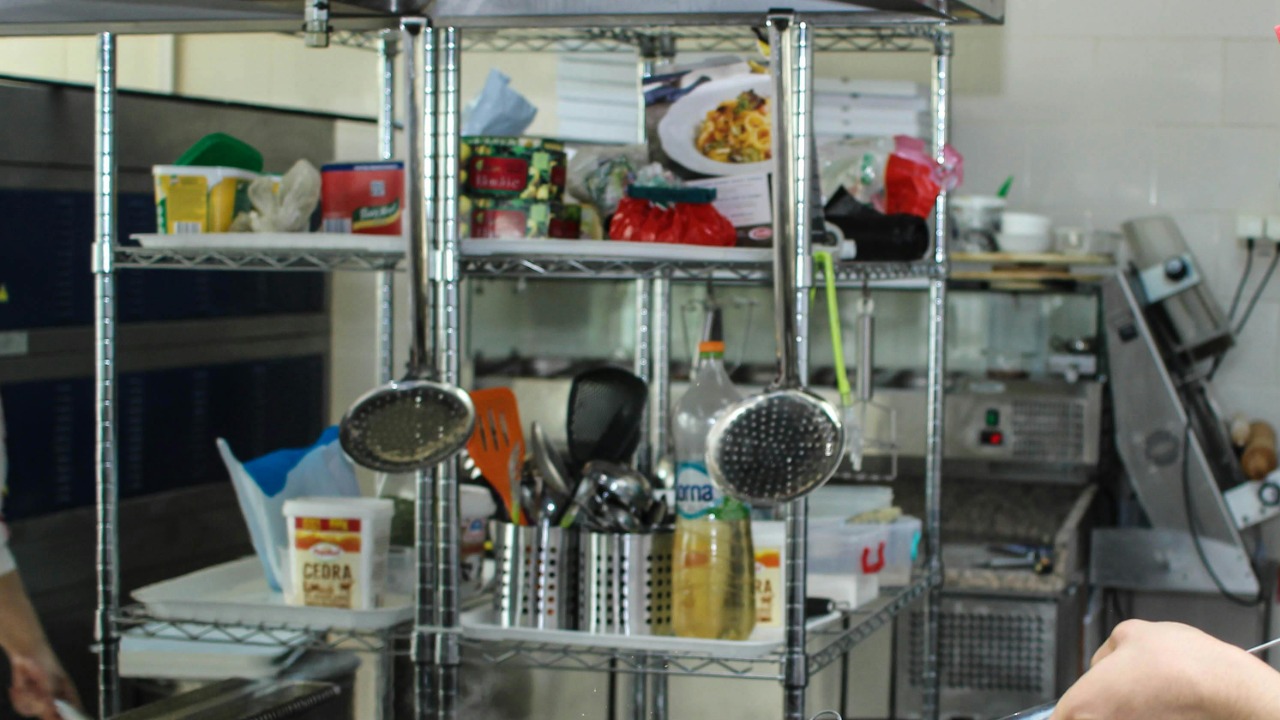
Chefs know that food quality starts with proper storage. Ingredients that aren’t stored at the right temperature or handled correctly can quickly spoil, lose flavor, or even pose health risks. While customers may never see the storage areas, chefs often notice the results in the food that’s served.Poor storage practices are a serious red flag because they can compromise both safety and taste. A restaurant that doesn’t respect ingredient care may be overlooking other essential food safety measures as well.
Overpriced Menu Items
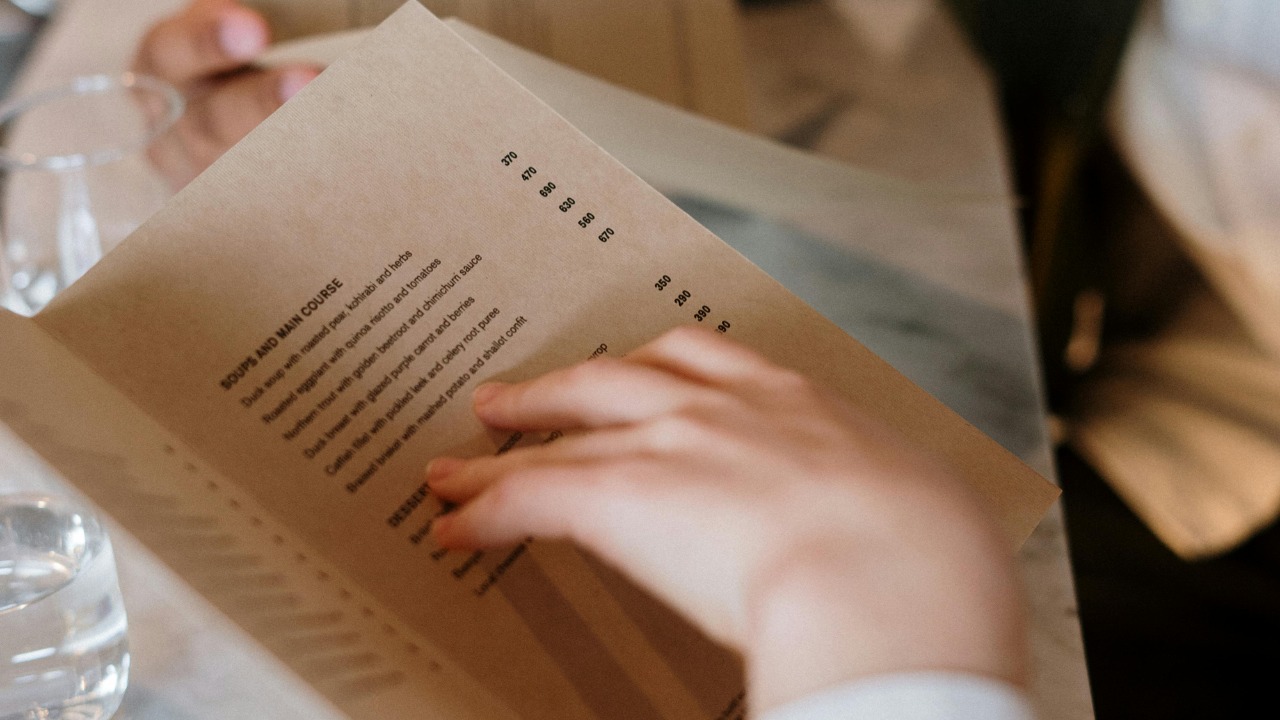
Chefs understand the cost of ingredients and labor, so they can quickly tell when a dish is overpriced. While premium prices are sometimes justified by unique ingredients or skilled preparation, charging more without delivering quality is a red flag.Diners are more knowledgeable today and expect value for their money. When prices are inflated without reason, it suggests the restaurant is relying on perception rather than quality to keep customers, which rarely works long term.
Outdated Decor
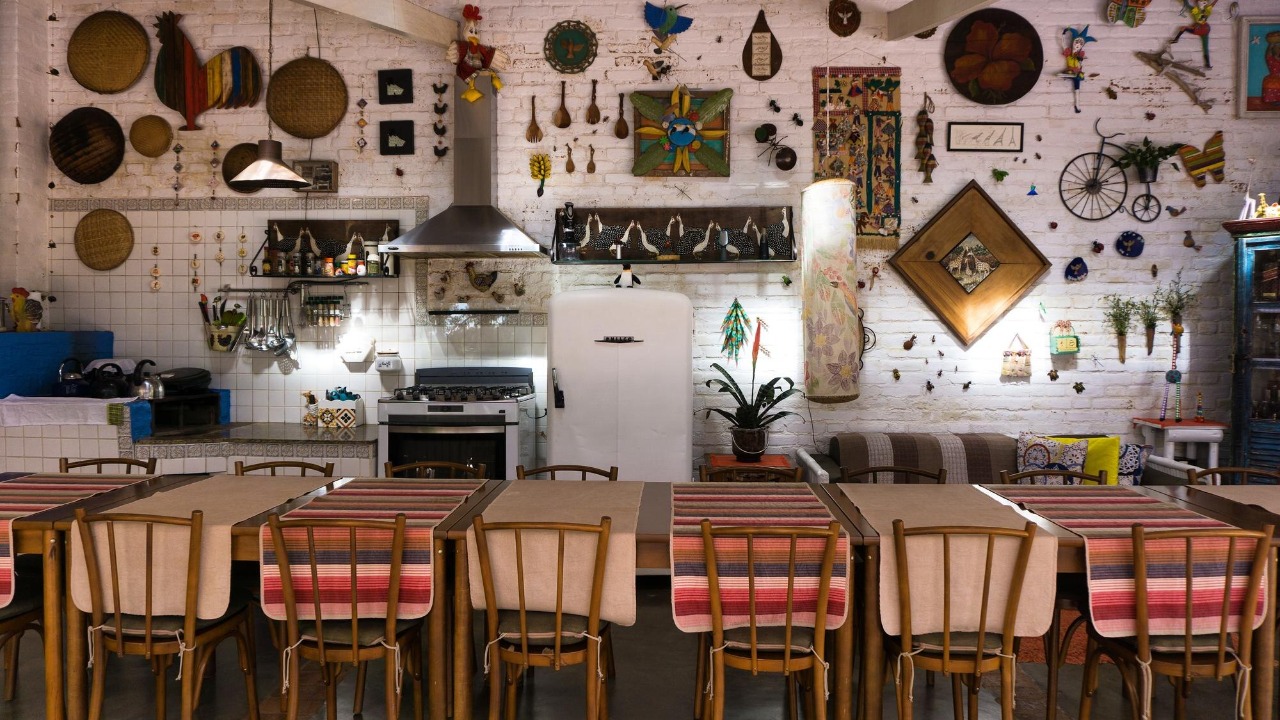
Ambiance plays an important role in dining, and outdated or neglected decor can send the wrong message. Chefs often view this as a reflection of how invested the owners are in the overall experience. If the dining room feels neglected, it raises questions about the effort put into the kitchen as well.Modern diners increasingly look for restaurants that provide both excellent food and a welcoming atmosphere. Outdated decor not only affects first impressions but can also diminish the likelihood of return visits, no matter how good the food is.


Comments
No Comments