

Extreme weather conditions worldwide are wreaking havoc not only on our environment, but also on our food supply. As the cost of production rises due to droughts, floods, and heatwaves, the prices of several grocery staples are climbing—hitting consumers’ wallets in a significant way. It’s a trend that shows no sign of slowing, and households need to be prepared.This list is based on current market trends, expert analysis, and agricultural reports. It highlights seven grocery staples that are becoming more expensive because of weather-related challenges, offering insight into why these items matter for your budget.
Wheat
Want to Save This Recipe?
Enter your email & I'll send it to your inbox. Plus, get great new recipes from me every week!
By submitting this form, you consent to receive emails from Walking on Sunshine Recipes.
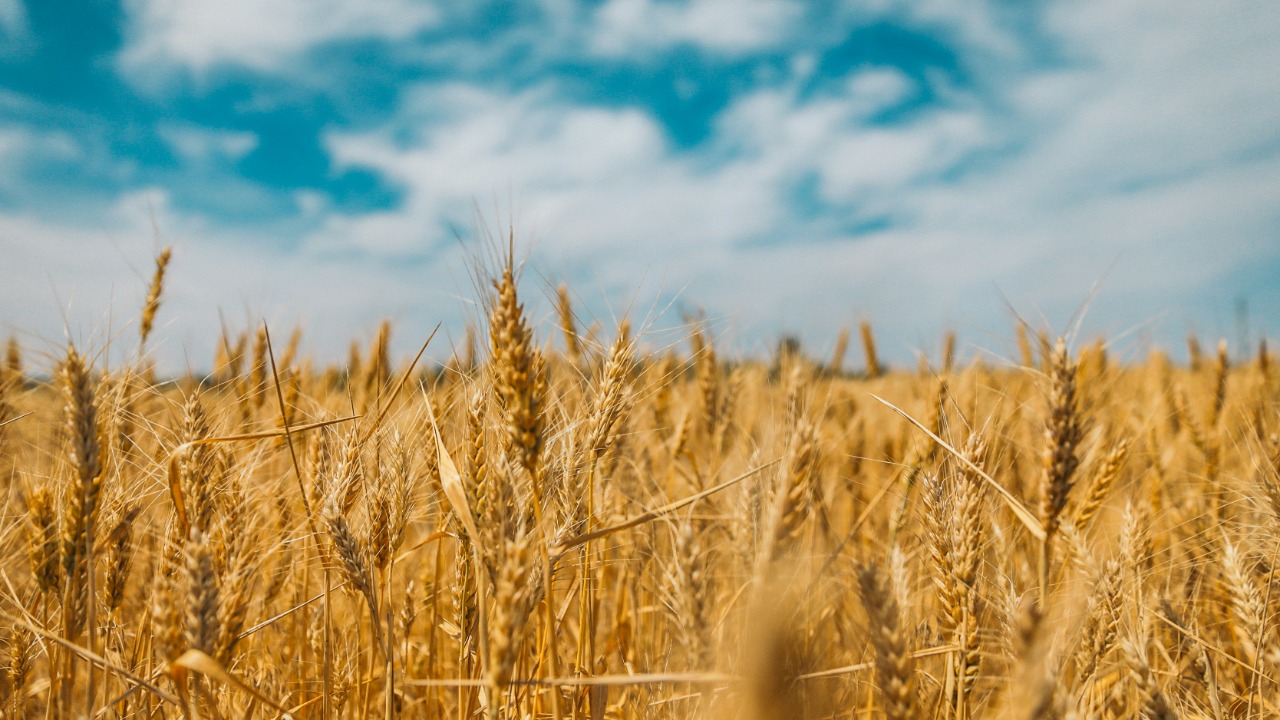
Wheat is the foundation for bread, pasta, and countless baked goods, making it one of the most essential crops worldwide. But it’s also highly dependent on stable weather patterns for healthy yields.Extreme droughts and floods have reduced wheat harvests in several regions, leading to higher costs. These rising prices ripple into everything from sandwich loaves to breakfast cereals, forcing households to stretch their grocery budgets further.
Coffee Beans
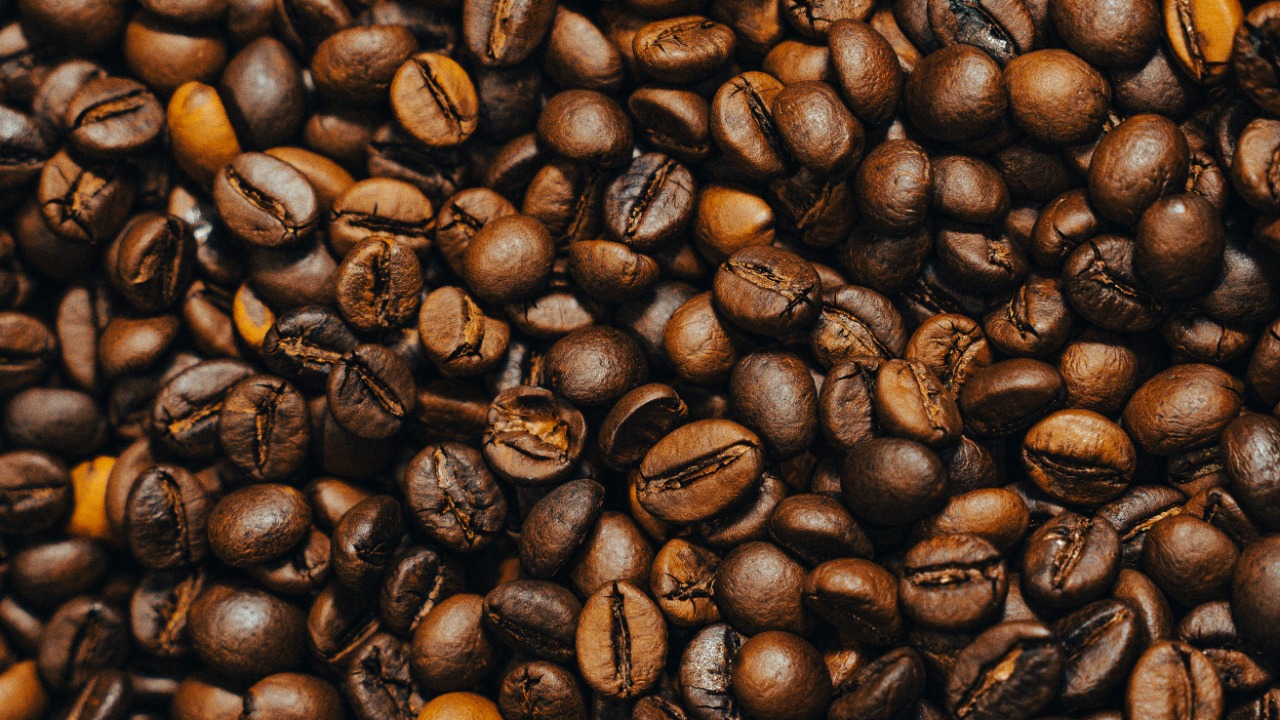
Coffee, a daily ritual for millions, is especially sensitive to weather shifts. Heatwaves, erratic rainfall, and rising pests all reduce coffee harvests and damage bean quality.These challenges have pushed coffee prices upward. For consumers, it means the morning cup of coffee may increasingly feel like a luxury rather than an everyday staple.
Almonds
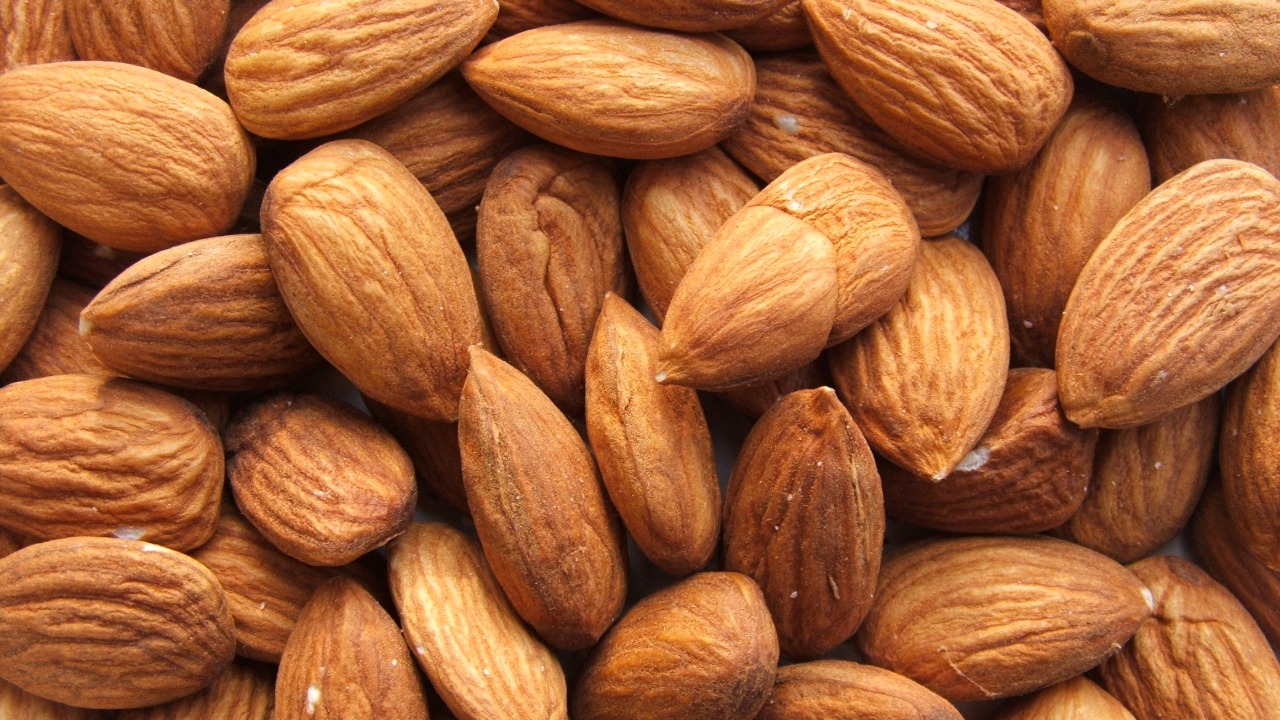
Almonds are prized for their nutrition and versatility, but they’re heavily reliant on water, making them especially vulnerable to drought conditions.Severe dry spells in key almond-growing regions have cut yields and raised costs. For consumers, this means higher prices for almond milk, nut mixes, and even baked goods.
Avocados
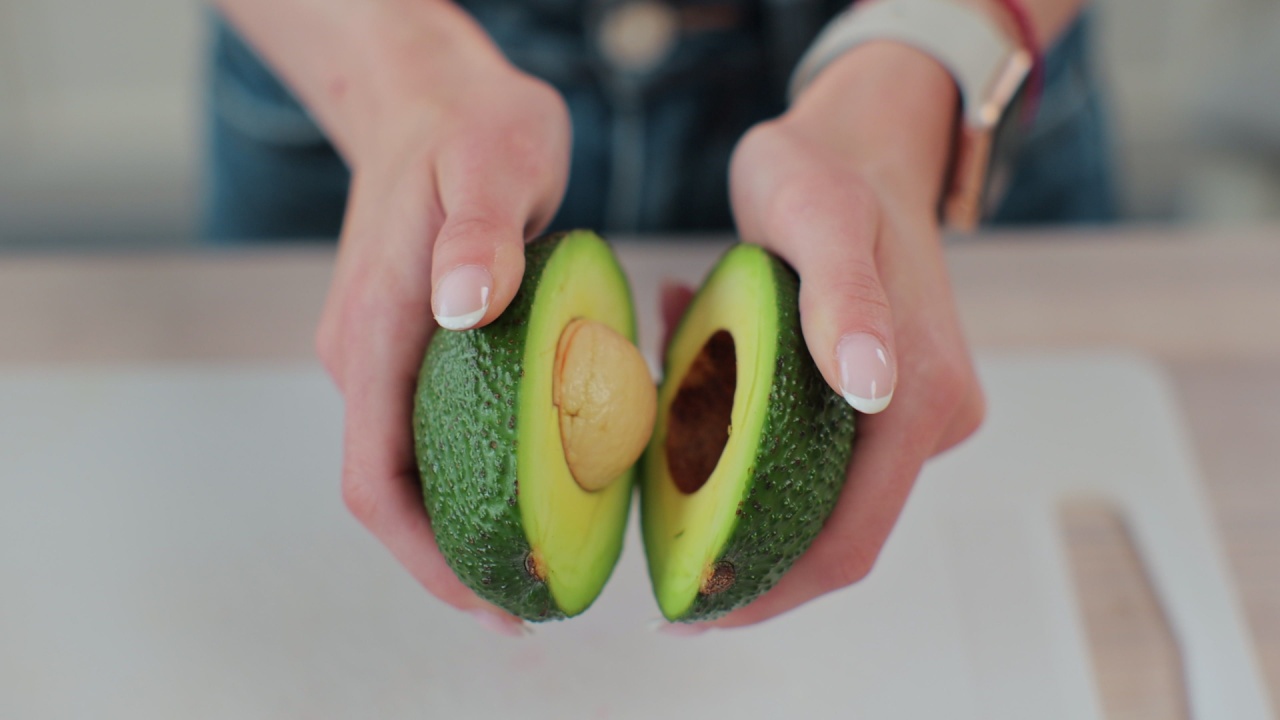
Avocados have surged in popularity thanks to their creamy texture and health benefits. But like almonds, they demand large amounts of water, leaving them highly exposed to droughts.Reduced harvests caused by water shortages have driven up avocado prices, making guacamole and avocado toast more of an indulgence than a casual addition to meals.
Rice
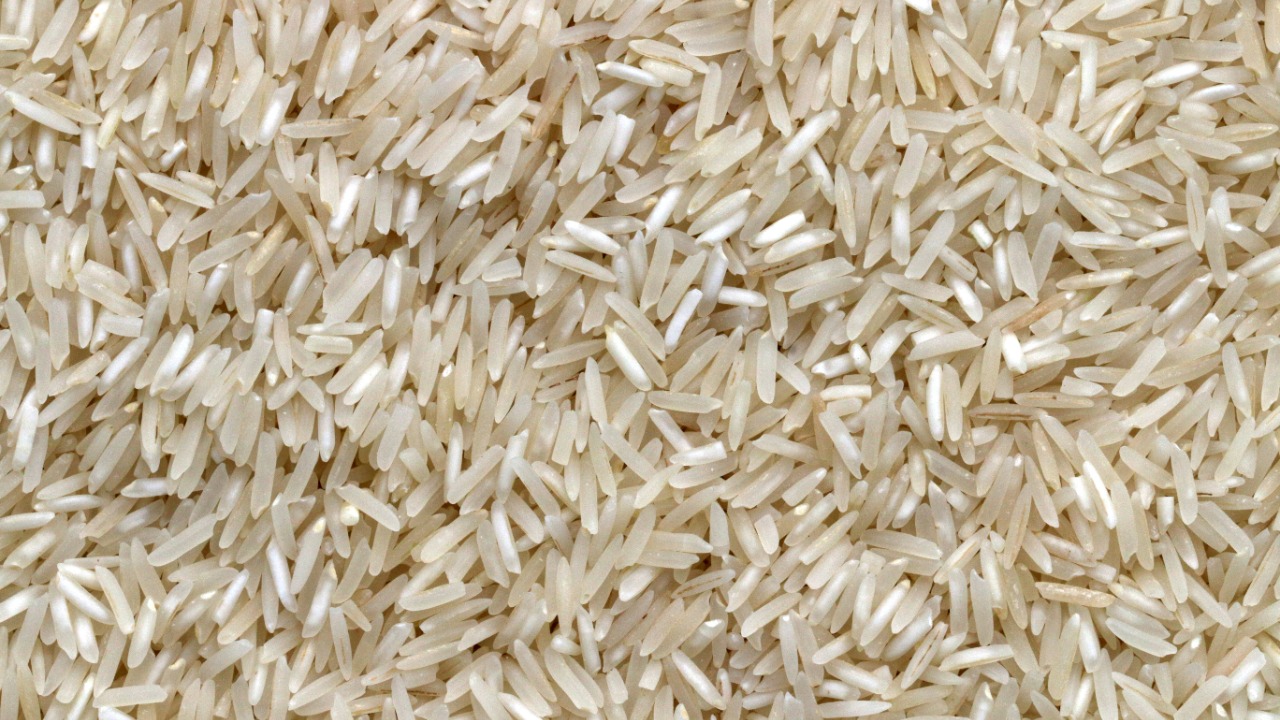
As a dietary staple for billions worldwide, rice is central to food security. Unfortunately, it’s extremely sensitive to both flooding and drought, which are becoming more frequent with climate shifts.When harvests fall short, global prices spike quickly. That ripple effect impacts everything from household grocery budgets to the stability of food markets in entire regions.
Apples
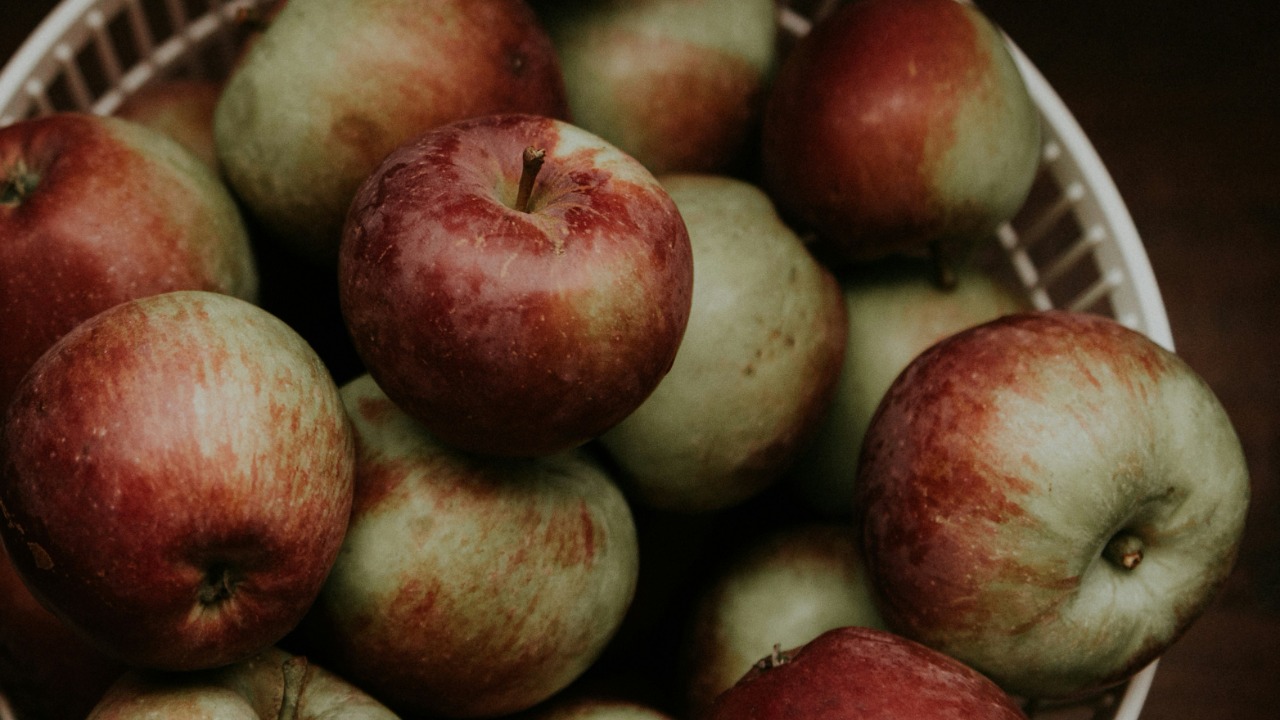
Apples are beloved worldwide, but their delicate blossoms and long growing season make them highly vulnerable to frost, drought, and hailstorms.Unpredictable weather has caused lower yields in recent years, raising prices and reducing availability. This has made apple-based staples like cider and applesauce more expensive as well.
Oranges

Oranges, rich in vitamin C and a breakfast staple for many, are at risk from both frost and prolonged heat. These conditions can damage trees and reduce harvest quality.As extreme weather events become more frequent, orange production has struggled to keep up with demand, leading to noticeable price increases for fresh fruit and juice alike.


Comments
No Comments